Most people believe that if they are stopped, questioned, or arrested by police, their best course of action is to be as cooperative as possible and explain everything. You’ve probably heard “just tell the truth” or “if you didn’t do anything wrong, you have nothing to worry about.” However, the short answer to “Does Talking to Police Ever Actually Help Your Case?” is rarely as simple as you might think.
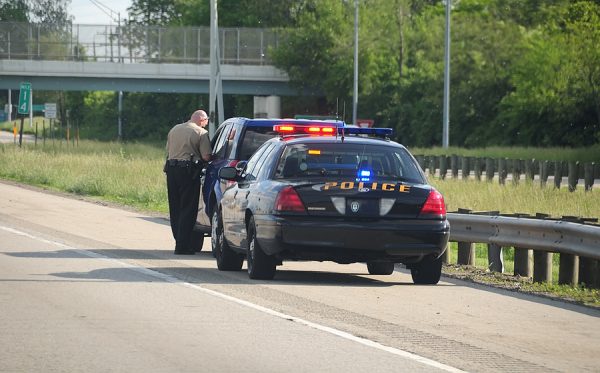
Statements made to law enforcement often hurt a person’s case later on down the road, even if they thought they were being helpful at the time. Things you say innocently, emotionally, or without thinking can be used against you during an investigation or later in court. That is why it is so important to understand your rights and when you should speak with an attorney.
Why People Feel Pressure to Talk
The reality is most people do not spend their time studying how the criminal justice system works. Having the police question you is intimidating enough without adding in the stress of not knowing what you should or shouldn’t say.
Police officers are skilled at asking questions in a way that allows them to gather information, identify lies and inconsistencies, and build a case against you.
Some people believe if they just stay silent, police will know they are guilty. Other people think by being completely cooperative, the officers will let them go or understand that charges won’t be filed. Police have even been known to imply that life will be easier if you just “tell your side of the story.”
The issue is people speak before they fully understand their rights, what police know, what they are possibly being investigated for, and how their statements could be used.
Innocent Statements Can Still Cause Problems
Many people believe if you did not do anything wrong, then you have nothing to worry about. While that is mostly true, there are countless situations where innocent people harm their own case by talking to law enforcement.
Memory can be tricky, especially when a person is placed under stress. Small discrepancies in the time of events, word choice, or remembering certain details may be used to imply you were not telling the truth. Innocent explanations can even be misconstrued or taken out of context.
Let’s say you get pulled over and questioned about drinking alcohol. You mention you had 1-2 beers earlier with lunch but cannot remember exactly what time you ate. Police may use that statement to imply you were unable to recount the time because you drank more and were intoxicated.
Once you give a statement to police, it becomes part of their investigation. You may be able to clarify or correct what you said, but it may not undo the initial harm.
Police Are Gathering Evidence, Not Acting as Your Lawyer
One hard truth people don’t want to face is that police officers do not work for you when questioning you. They are investigating a potential crime and gathering evidence that could be used in court.
Just because an officer is friendly and having a conversation instead of aggressively grilling you does not mean their questions are harmless. Many investigators are told to keep conversations informal because people will let their guard down and continue to talk, revealing important information.
Officers likely know more than they lead on. They may ask you questions they already know the answer to in order to compare how you respond.
For these reasons, many criminal defense attorneys tell clients not to answer any questions without a lawyer present. This does not make you uncooperative with police; it simply protects your rights and prevents you from making costly mistakes.
The Right to Remain Silent Exists for a Reason
We mention this one a lot, but the right to remain silent is a crucial protection afforded to you under the United States Constitution Fifth Amendment. This right exists for a reason.
If you invoke your right to remain silent, you are not telling the police that you are guilty. You are simply choosing not to answer their questions without your lawyer present.
Some people feel like requesting an attorney is almost admitting they are suspicious. In reality, asking to speak with a lawyer is your constitutional right. Innocent and guilty people exercise this right every day.
Your attorney can assess the situation, speak with investigators on your behalf, and prevent you from making statements that could unintentionally damage your case later.
Are There Situations Where Talking Helps?
Yes, there are times where you may choose to provide some information to the police. In most situations, it is wise to consult with an attorney first before making that decision.
Submitting minimal identification, such as your name/address, may be required in some scenarios. Your attorney may even advise you to cooperate with police under certain conditions if it could help your defense.
Overall, deciding when it is appropriate to speak with police versus when it could hurt your chances should typically be done by an experienced attorney, not you.
Once criminal charges are possible, safeguarding your legal position should be your top priority. Criminal defense attorneys know how investigations happen and can advise you on how to avoid jeopardizing your situation.
Social Media and Informal Conversations Matter Too
When most people think of speaking to police, they think of an actual police officer questioning them about a crime. However, what you say to friends, family members (even on social media) could also become part of an investigation.
It’s common for people to believe they can “explain themselves” or “clear things up later.” Prosecutors can use these statements to establish timelines, intent, or discredit your story later on.
Another reason why speaking with a knowledgeable criminal defense attorney early can make all the difference. An attorney can guide you through the process and help you avoid simple mistakes that could cause issues down the road.
Why Early Legal Representation Matters
Perhaps the best thing you can do if you become involved in a criminal investigation is to speak with an attorney ASAP. Having early legal representation can help you avoid mistakes before charges are even filed.
An attorney can speak with law enforcement on your behalf, inform you of your rights, review evidence, and explain what could happen if you choose to answer questions.
No two cases are exactly alike, and there is no blanket answer when it comes to dealing with police. What may be harmless to you could look like a whole different story to an investigator.
This is why the question “Does Talking to Police Ever Actually Help Your Case?” should really be answered with “it depends.” In most cases, remaining calm, knowing your rights, and speaking with an attorney before speaking to police is your best bet.
Facing questioning, criminal charges, or an investigation? Contact Capetillo Law Firm today to discuss your rights and options before you make statements that may harm your case.